


(The sound is not as good as the CD but it's not a bad mix)
Play the music while reading if you like because it's a looong read

I love this movie soundtrack, it's easily one of my favourites and probably got me interested in synthesizers when I first heard it as a kid. It also got me interested in film making and story telling.
Anyhow over the years I've studied what he used and like many others it led me to the amazing CS-80 synthesizer. Since I can't exactly afford to go buy one i can't really experiment in how he played it, but I know a lot of the expressiveness is due to the polyphonic after touch.
Today in the "future" we have so many amazing tools at our fingertips and i think we can come very close to the original sound. However in doing so I think we need to also examine the recording process that he used as well as his choice of sound and playing technique.
If anyone can chime in what they learned over the years on how to approximate the sound that would be cool to share.
Just being to come close to that sound would be cool, it won't however recreate the musical genius of Vangelis because that's only something he knows how to do. Still it would be fun to recreate the entire opening scene using a bunch of software and try to come as close as possible with emulations.
Here is a listing of the known gear that he used.
A lot of this can be emulated now.
Analogue Synthesis
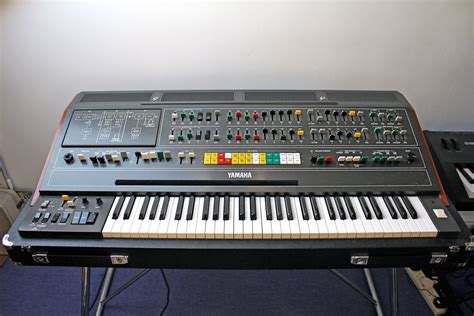
Yamaha CS-80 •
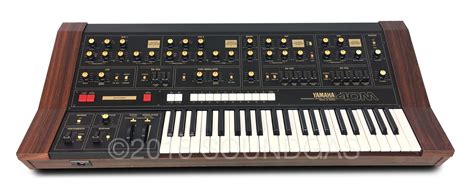
Yamaha CS-40M •
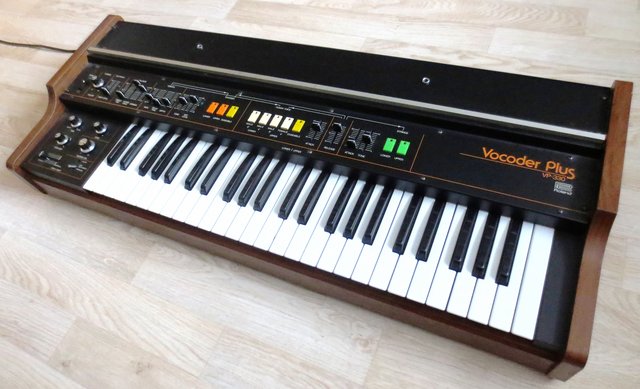
Roland VP-330 VocoderPlus MK I •
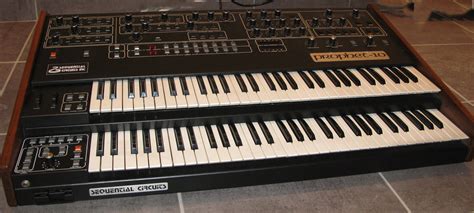
Sequential Circuits Prophet 10 •
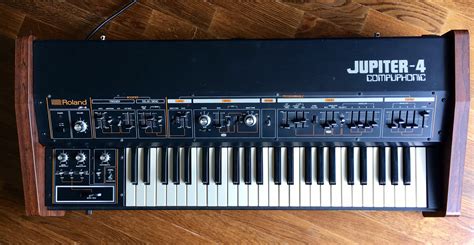
Roland Jupiter 4 •
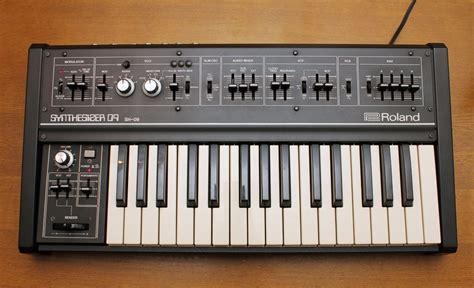
Roland SH-09
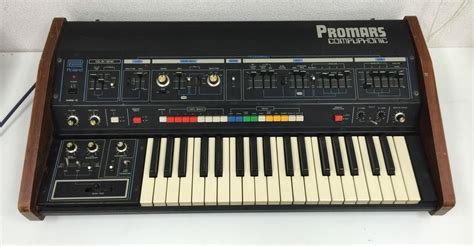
Roland ProMars CompuPhonic •
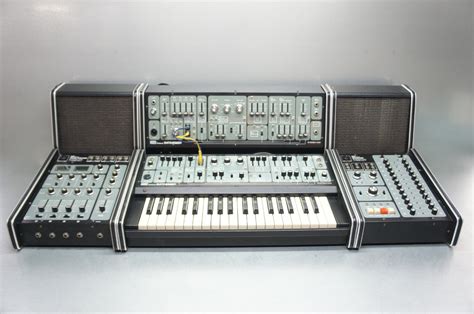
Roland System-100 w/104 sequencer (On the right side)
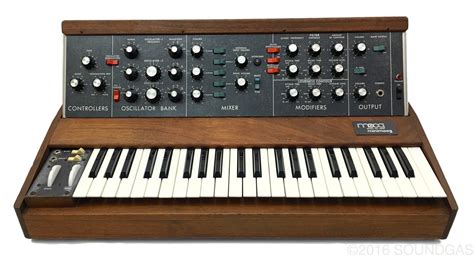
Moog MiniMoog
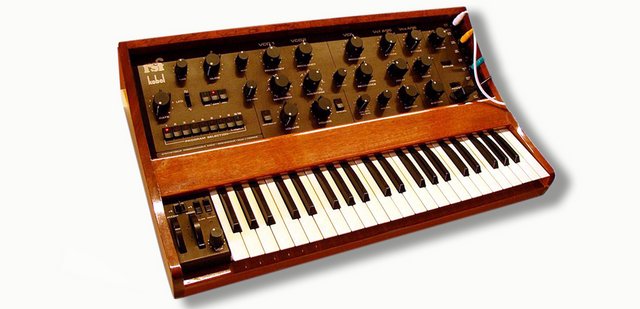
RSF Kobol Black Box
Analogue Drum Machines
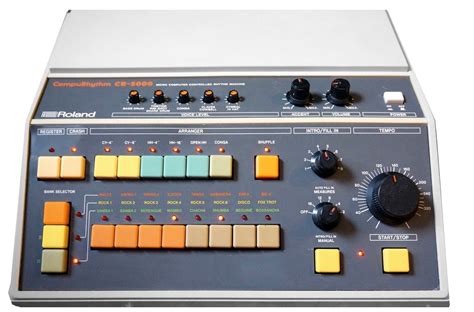
Roland CR-5000 CompuRhythm •
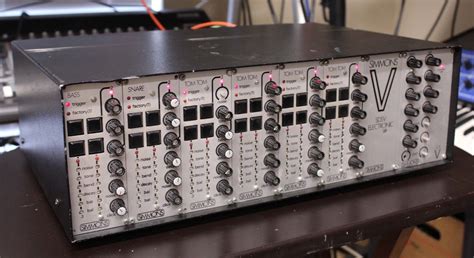
Simmons SDSV with drum pad suitcase
CV/Gate Controllers and Sequencers
Sequencers
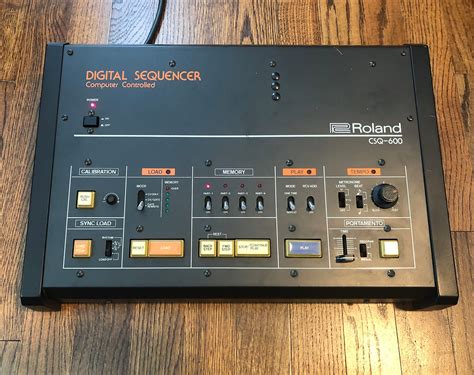
Roland CSQ-600 •
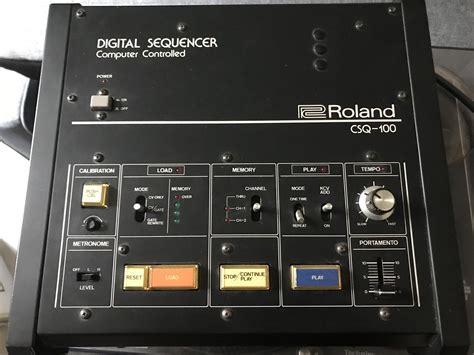
Roland CSQ-100
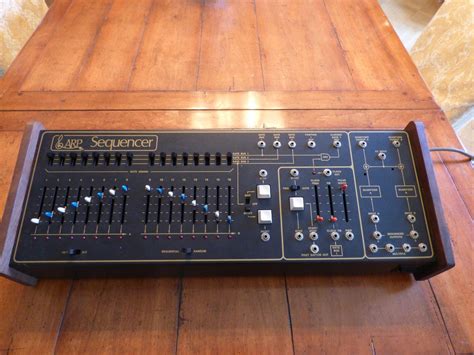
ARP Sequencer
Digital Sampling Synthesis
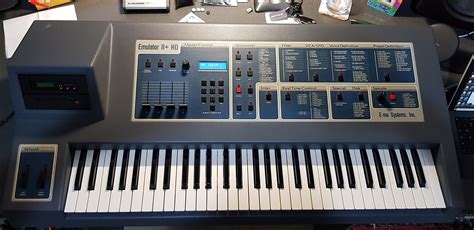
E-Mu Emulator •
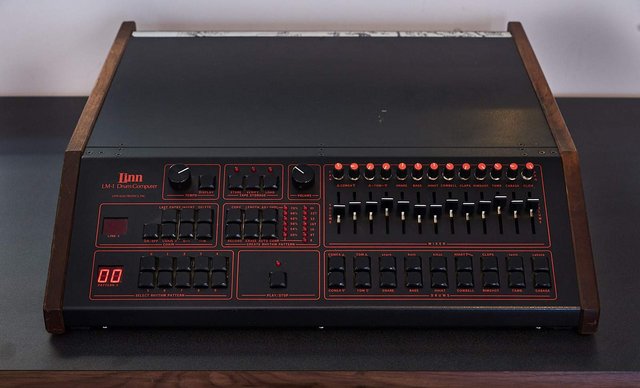
LINN LM-1 drum computer (preset)
FM Synthesis
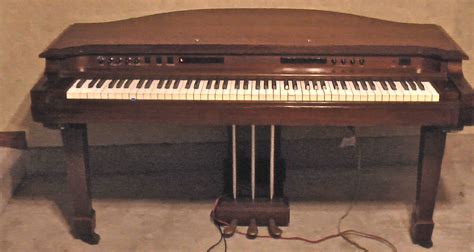
Yamaha GS-1 •
Recording and Mixing
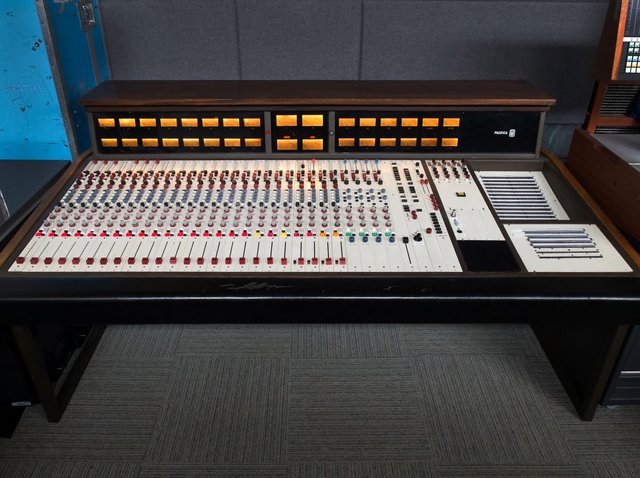
Quad/Eight Pacifica ( 36 channel inline mixing desk) •
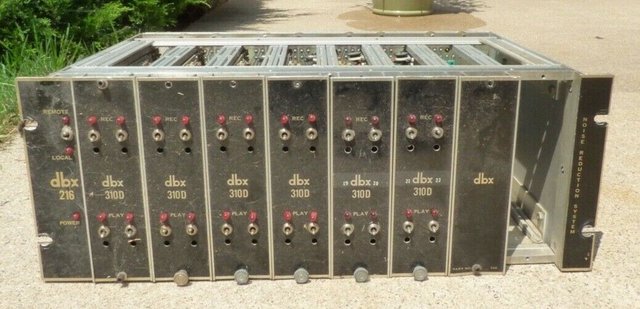
dbx 216 16-channel Type I noise reduction (multitrack tapes) •
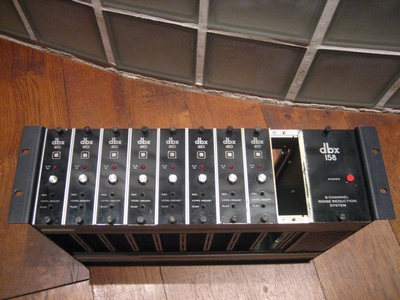
dbx 158 8-channel Type I noise reduction (multitrack tapes) •
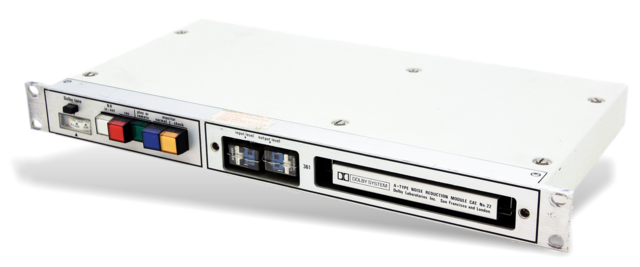
Dolby A-Type noise reduction (mixdown mastering) •
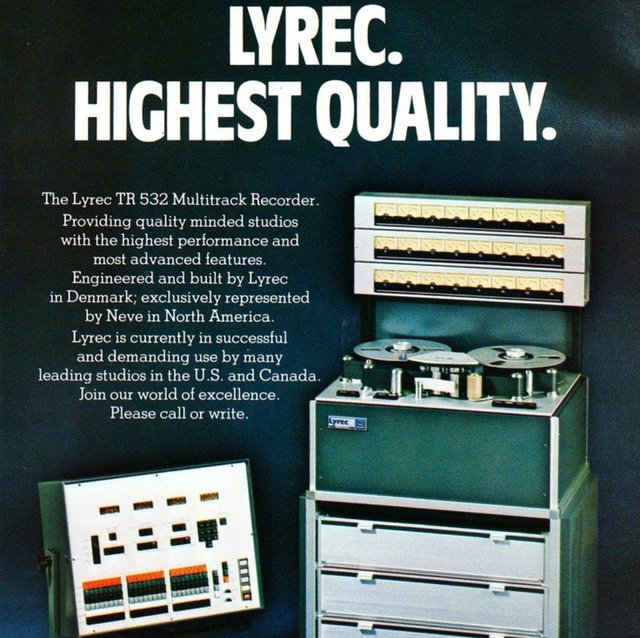
Lyrec TR 532 2-inch 24-track tape recorder •
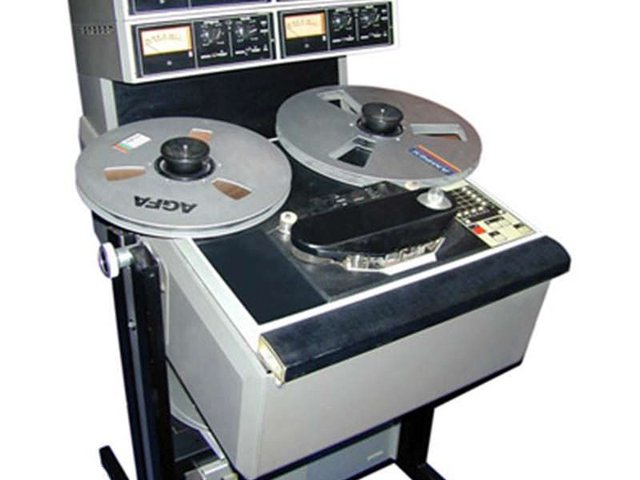
Ampex ATR-100 quarter-inch 2-track master tape recorder •
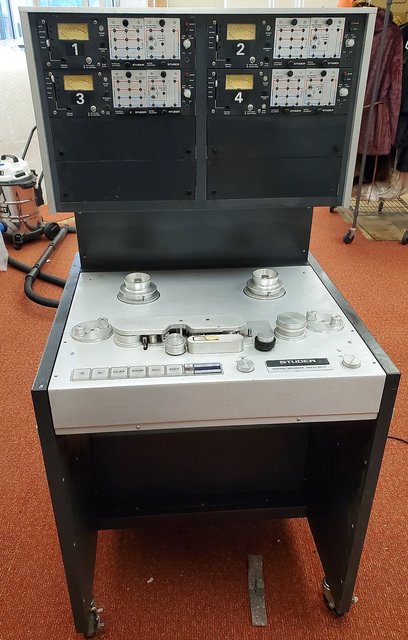
Studer 4-track master tape recorder (hired) •
Reverbs and Delays
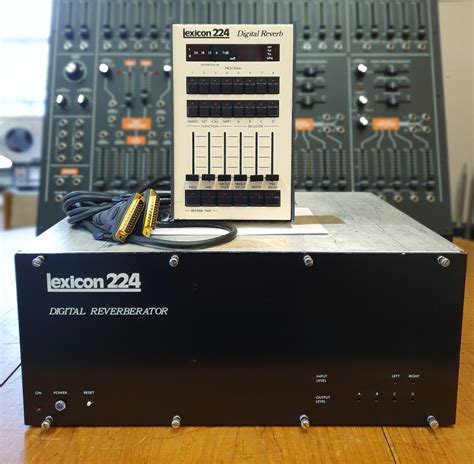
Lexicon 224 digital reverb •
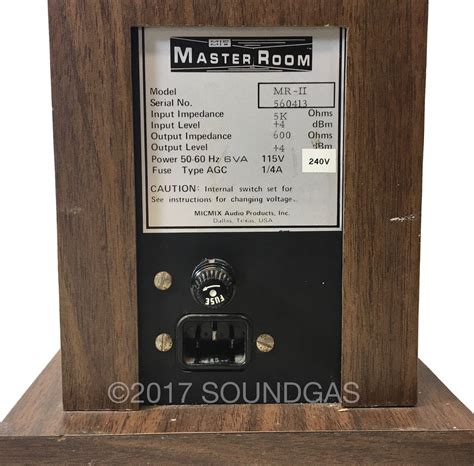
Master Room spring reverb
Compressors and Equalisers
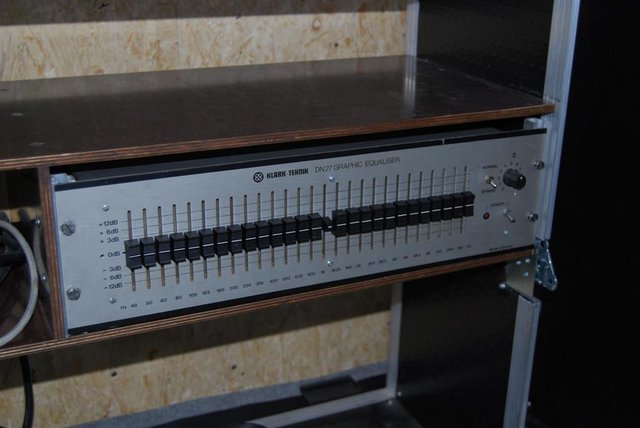
Klark Teknik DN-27 graphic equaliser
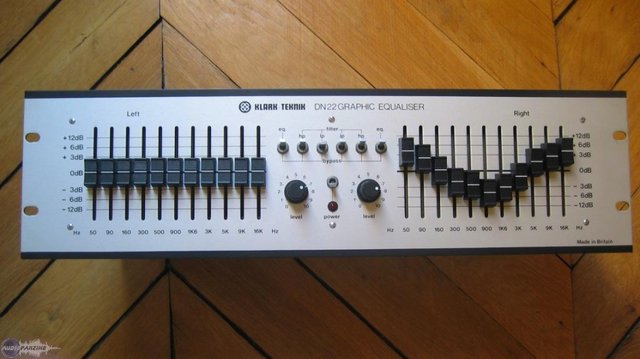
Klark Teknik DN-22 graphic equaliser
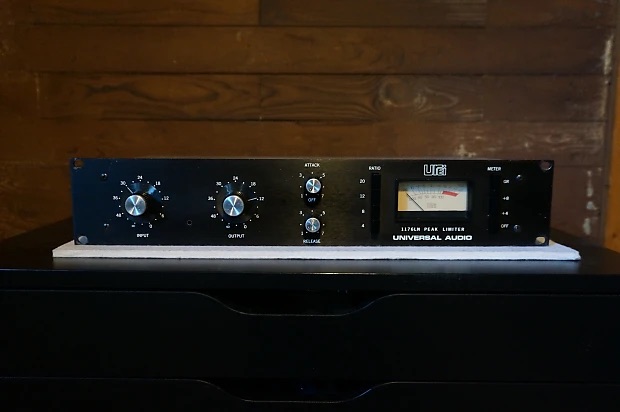
URei 1176-LN peak limiter
==================================================
End of pictures because most of the stuff below can be found easily on the internet
Microphones
AKG-414, Sennheiser, and Electro-Voice
Monitoring
Tannoy Dreadnought Monitors
BGW 750B amplifiers
• Indicates known or strongly suspected use on Blade Runner
Electro-Acoustical Keyboards
Fender Rhodes 88 suitcase piano •
Yamaha CP-80 piano •
Acoustic Keyboard
Steinway & Sons Concert Grand Piano •
Acoustic Instruments
20-inch circular saw blade
Bell trees
Crotales
Gamelan
Glockenspiel
3 hand-tuned Timpani
Koto - Japanese stringed instrument •
Standard drum kit
Symphonic gongs
Symphonic snare drum
Thunder sheet
Tubular bell
Vibraphone
Wind gong
Organ
Hammond B3
-------------------------------------------------------------------------------------------------------------------
I found an bit of good information on "Nemo Studios"
Below is taken from here http://www.nemostudios.co.uk/bladerunner/
Visit the site if you want to read more and see photos.
"The recording studio’s equipment
Vangelis’ studio consisted of a control room and a live room. The control room was equipped with a multitrack tape facility that allowed the recording of musical instruments into audio tracks on analogue magnetic tape, and these audio tracks could then be mixed down onto a master tape.
The control room not only contained the tape recorder machines and the mixing desk, but, it also served as the area where Vangelis composed music on his synthesisers. The control room was like an extension of his instruments, the sound processors, the outboard equipment, the tape machines and the mixing desk, all of which played a part in Vangelis’ performance.
An adjacent live room was filled with traditional instruments and other unusual musical items Vangelis had collected over the years. It also featured a wide collection of percussion, which included drums, gamelan, timpani, tubular bells, gongs and orchestral percussion. The live room was often used as the area where live work was recorded, which also included guest singers and other musicians.
Vangelis’ studio featured commercially available models of synthesisers as well as some old vintage electric keyboards, and it also had a 9-foot Steinway Grand Piano. All of these instruments were situated in the studio’s control room next to the tape recorders.
The control room was equipped with two types of tape machines, each dedicated to a certain function in the recording process. The first was a multitrack tape machine capable of recording 24 parallel audio tracks into a 2-inch-wide magnetic tape. The multitrack tape allowed the individual instruments from a performance to be recorded into discrete audio tracks. This gave flexibility during mixing, as each audio element could be treated separately for panning, gain or other fine-tuning. Vangelis’ multitrack tape machine was the Lyrec TR-532, the same tape machine he used to record his solo albums and his film score to Chariots of Fire.
The second type of tape machine in Vangelis’ control room was a ‘tape master’ machine that allowed the final mixed work to be produced onto a 2-track quarter-inch master tape. Blade Runner was going to be presented in cinemas with Dolby Stereo sound and using a 4-channel mix of the soundtrack. A 4-track master tape machine was rented so that any music mixes needing 4-channel mixes could be delivered on a 4-track tape.
Vangelis’ studio central command was a mixing desk – a 36 channel from Quad/Eight Electronics ‘Pacifica’ multitrack non-automated mixing desk configured as a 36-modular input console with eight selectable mixing busses and stereo mix down. Two separate stereo (cue) busses and four auxiliary send circuits (i.e. four echo send/return module) per channel input.
For audio monitoring, Vangelis’ studio was equipped with two Tannoy Dreadnought monitors capable of delivering 750-watt. Each monitor was equipped with dedicated Tannoy cones for high-, middle- and low-frequency ranges, and each range was powered by a dedicated amplifier, using three BWG 750-watt amplifiers.
When recording a track of audio onto analogue tape, the audio is accompanied by the presence of tape hiss noise due to the limitation of the magnetic medium. When working with multitrack audio tapes, the amount of tape hiss noise stemming from all 24 tracks can be noticeable, especially when the audio recording changes to quiet passages of music. This build-up of unwanted tape noise was dealt with by the use of a noise-reduction system. To reduce tape hiss Vangelis used dbx noise reduction Type I, by applying it to each of the 24 tracks of the Lyrec TR-532 tape machine.
Tape hiss noise on 2- and 4-track master tapes was addressed by applying another type of noise reduction. For the Blade Runner soundtrack, these were handled by noise-reduction modules installed by Dolby Laboratories for the master tapes. The Dolby noise reduction was applied on each of the 2 or 4 channels, depending on the number of channels used on the track in question. Occasional audio peak limiting was provided by URei 1176-LN compressors.
While creating music in a multitrack tape studio environment offered immense opportunities for adjustig the recorded performance, it lacked many of the convenient tools that arrived with later technologies, such as mixing desk automation, SMPTE time-code for synchronisation and much of the digital facilities that swept the sound-recording and film production studios in the late 1980s and beyond."
"Synthesisers
The long notes in the film’s opening credits were created on Vangelis’ Yamaha CS-80 synthesiser, an instrument that featured many performance controls, including a ribbon controller that gave Vangelis the flexibility apply a pitch bend to his notes. It also had polyphonic aftertouch, which gave Vangelis control over each note’s inflection and modulation by varying the amount of pressure on each key pressed on the instrument.
Besides the Yamaha CS-80, two other prominent instruments heard throughout Blade Runner are a Roland VP-330 VocoderPlus synthesiser, for the string section, and a Fender Rhodes, for the nostalgic-sounding electric piano.
Other instruments included a Sequential Circuits’ Prophet 10 synthesiser, used for producing low drones and effects, E-Mu’s Emulator keyboard, put to use as a percussive sampler and a sound library, and Yamaha GS-1 for occasional percussion effects.
Vangelis created the enormous spatial distance of the score by running his instruments through a Lexicon 224 digital reverberation sound processor. He used it by applying depths and spaces to his synthesisers and percussion, creating lush spaces to complement the film’s vast landscapes.
For compositions that incorporated the occasional use of pulsating sequencer work, Vangelis had a set-up consisting of several Roland synthesisers and sequencers.
This allowed him, during his performance, to adjust, transpose and edit the sequence as he played along. The Roland synthesisers included the Jupiter 4 and the ProMars CompuPhonic, and the Roland sequencers included the CSQ-600, CSQ-100 and System-104."
"Recording the score, London, 1982
After the completion of Blade Runner’s principal filming in Los Angeles, in the summer of 1981, the film’s post-production phase moved to London, where it was to be assembled and sound dubbed. Film director Ridley Scott, along with his film-editor Terry Rawlings, began to put together a rough cut of the film. Rawlings began to use a temp score to put music to the images. The rough cut of the film with the temp score gave a flavour of the type of mood Scott might have wanted, and allowed them to view an assembled film put together from all the cut scenes in chronological order.
Vangelis was approached to discuss the possibility of providing the film score for Blade Runner and was invited to a private view of the film on a cinema screen at Pinewood Studios. In December 1981, after fruitful discussions, Vangelis was signed up to work on the film.
Blade Runner was not the first collaboration between Ridley Scott and Vangelis. They had worked together a couple of years earlier, in 1979, when Scott commissioned Vangelis to rework a piece of music for one of his commercials, the iconic fragrance Chanel N°5, entitled ‘Share the Fantasy’.
Vangelis’ studio in London was his own privately funded and operated recording studio, which contained over a million pounds worth of equipment and instruments. The studio had one member of staff who worked as a studio engineer and, among her tasks, she supervised the operation of the tape machines, helped Vangelis with various mixing desk duties and synchronised tape recording to video playback.
Vangelis’ home base in London and its proximity to the film editing studios was very convenient, as it allowed filmed scenes to be quickly dispatched to Vangelis and, likewise, Vangelis was able to deliver his music to the dub theatre.
In anticipation of recording Vangelis’ score in Dolby Stereo, consultants from Dolby Laboratories visited Vangelis’ studio and checked the compatibility of his studio’s equipment. The consultants also installed Dolby noise-reduction units for putting the 4-track mixes onto quarter-inch tape.
Vangelis received the filmed scenes from Blade Runner’s editing room on a day-by-day basis. Vangelis received these cut scenes on video cassettes in Video Home System (VHS) format and the video streams contained the dialogues from the actors and nothing else. Any temp music used in the rough cut was removed. There was also no information in the video streams, such as time-code readout, to assist the film editor or the musician aligning the music to the film throughout the various stages of music and film editing.
When composing and recording music for a soundtrack, Vangelis utilised the control room of his studio by using a television screen to view the cut scene he was working on. Situated behind the television screen, Vangelis was surrounded by a dozen synthesisers. Additional television screens were also placed at different corners in the studio, so Vangelis could see the film from any position while he worked. Synchronising the video playback and the tape recorder was carried out by remote control. This meant pressing play on the videotape and pressing the record button on the tape machine at the same time.
As a new filmed scene was played, and if Vangelis felt a strong connection to the moving images, he would create a composition straight away. Being lead by the moving pictures, he would record his creations without any prior rehearsals. Otherwise, if viewing the film scene induced no immediate reaction, Vangelis would not push himself to force the music out, instead he would work on some other tasks at the studio and come back to it later on.
If Vangelis felt that a composition needed additional layering, he would rewind the tape and add layers of sound electronically, through his synthesisers, percussion and acoustic effects. The number of overdubs could be kept to a bare minimum, to avoid turning his music sick by tampering with it beyond what was necessary. Vangelis always prefers to use his first take whenever he can, even if the recording contains small mistakes, because he sees his first takes as more honest than rerecording the same music again.
Sometimes, certain subsequent overdubs required precise timing with the film cut, as it was important to maintain synchronisation between tape and video. However, there were no electronic editing facilities available at the time to allow recording new inserted audio elements starting from a predetermined video frame. Synchronisation was carried out by hand and done by operating both tape and video machines manually. The tape would be rewound to the start of the recording segment using the tape-counter readout, or if working on a subsection of tape a line would be drawn on the non-magnetic base of the tape with a chinagraph pencil to indicate the position of music. Similarly, the VHS videotape would be rewound to a previously chosen video frame as a reference point by using the pause function on the remote control.
Once both machines were in standby mode the record button would then be pressed on the tape machine and then, after counting to 10, the play button on the videotape player would be activated. This would mean that Vangelis could watch the video in sync while adding the new layers of sound.
Since this type of manual synchronisation was never consistent on every subsequent overdub, this meant that with each successive viewing there was the possibility of a slight misalignment between audio and video. The studio engineer operating both machines ensured the alignment was as accurate as possible. The synchronisation may be described as loose today, but it was part of Vangelis’ creativity in making organic music without using a click-track for synchronisation.
With some of the compositions, Vangelis felt that he wanted to redo certain arrangements using a vocal performer, a choir or a traditional instrument, such as a saxophone. On those occasions, a studio session would be arranged for an invited singer or a musician to rehearse and record the part Vangelis needed to achieve, and these new elements would then be added to the multitrack tape.
After the composition was recorded, with any overdubs, the recorded arrangements would then mixed down and put onto a master tape. Vangelis viewed the mixing desk as a conductor of all other instruments. He would sit in the engineer’s chair, in the centre of the mixing desk, moving sliders, twiddling knobs and pushing buttons. Standing next to him would be the studio assistant, who would make any other necessary adjustments.
The studio was exclusively used for stereo recordings, and the mix for the Blade Runner soundtrack was the first 4-channel mix ever attempted at Vangelis’ studio. The mixing desk, for example, had no built-in panning options for surround sound. The procedure was further lengthened by the lack of an automated mixing desk, as it required manual human input for manipulating (in real time) 24 audio channels coming from the multitrack tape machine. So every attempt at mixing a track required active human involvement in monitoring and adjusting each of the 24 tracks on the mixing desk, by adjusting gains, filtering and panning.
For jobs requiring 4-track mixes, rather than relying on the mixing desk’s built-in stereo busses, the channels were instead re-routed to their auxiliary subgroups and combined into a 4-channel submix. Panning a sound across one of the four submix channels had to be manually tuned and monitored by listening to the mix on the four monitors in the control room. For simplicity, the 4-channel mix was approached as a normal stereo project with occasional effects panning from left – centre – right and surround. Sometimes a sound effect would be placed at the surround channel; as such sounds had little influence on the composition as a whole.
Much of the aural sound used in Blade Runner’s soundtrack was simple. The synthesisers were patched on the individual channels on the mixing desk, a portion of the signals from the channels were sent to the auxiliary send circuits which went to the Lexicon 224 reverb and returned on the channel returns further up the mixing desk and mixed into the designated buss group. The Lexicon reverb was applied live as the multitrack tape was played back, and it was never recorded in the original audio stems on the multitrack tape.
Several attempts at mixing would have to be tested and tried, until the final execution and the desired mix was achieved without any errors. Since the mixing jobs could not be saved for later retrieval, every adjustment had to be manually redone in real time. The mix practices may be repeated as many times as necessary, with every new mix practice being an improvement on the previous attempt, until Vangelis was satisfied with the results and the final master tape was produced.
Another minor technical issue to address was the fact that the filmed scenes sent to Vangelis’ studio were delivered on VHS videotapes. Because videotapes were transferred from an optical motion picture into a standard UK PAL video signal with a Telecine machine, this presented a problem, where source and target video formats ran at different frame rates. The video stream of a PAL UK standard ran at 25 frames per second (fps), whereas optical film is produced at 24 fps on 35-mm film. It meant that the cut scene from Blade Runner at Vangelis’ studio played at the slightly faster, 25/24, rate. This presented a speed synchronisation problem between what Vangelis’ played to and how the music was synchronised to the final optical film at 24 fps.
In order for Vangelis’ film score to sync to the optical 24-fps film, the music was initially composed to synchronise with the VHS videotape, at 25 fps, and when the track was completed it was then transferred to the master tape and sped up by a factor of 25/24, using the variable-speed function on the tape machine. This correction step prevented the possibility of the film score drifting and losing sync with the film.
After a mix was completed onto a master tape, and before it could be dispatched to the film editor, the magnetic tape needed to be mastered for film on 35-mm sound film. Vangelis’ studio engineer would take the 4-track tape reels to CTS Studios at Wembley, London, where the audio would be transferred to sound-film format. This process resulted in a 35-mm film coated with magnetic oxide particles that contained the sound transfer of the music. This type of transfer is one generation down from the master tape, and it is intended to facilitate the film editing tasks. This provided a way to align sound to pictures using the sprocketed film printing machines, while at the same time maintaining a high-quality audio transfer on magnetic medium.
Afterwards, the 35-mm sound film was taken to the dubbing theatre at Pinewood Studios, where it was dubbed to film. Vangelis’ instructions, suggesting where to align the music to which film frame, were relayed to the resident dubbing mixing engineer, and the film’s editor Terry Rawlings. The dubbing sessions of Vangelis’ film score were carried out separately from the film’s other sound sessions, such as adding Foley, sound effects and post-sync dialogues. The music dubbing sessions first took place at at Pinewood Studios, but towards the end of the Blade Runner project the sessions were moved to a much smaller sound booth at Twickenham Film Studios. Vangelis visited the dubbing sessions a few times to watch the film scenes, both with and without music.
Once the synchronised soundtrack was ready to be committed to optical film print via a photochemical process, a magnetic recording of the composite soundtrack was copied onto 4-track tape. This composite soundtrack, called ‘Music and Effects’ (M&E) tape, contained both the music and sound effects but excluded the actors’ dialogues. The M&E tape would later be copied and sent to international film distributors that required the film’s dialogue to be dubbed into a non-English language. The tape enabled the final music with the sound effects to be available on high-quality magnetic tape and totally aligned with the film, only requiring the dialogue of the chosen foreign language to be added.
Film director Ridley Scott visited Vangelis at his studio in the evenings during post-production, and the visits were light-hearted and social. Ridley was able to listen to Vangelis performing his latest film compositions live as they watched the film on a video screen or played back some of the latest compositions that Vangelis had been working on.
Towards the end of the project, as the score and film editing for Blade Runner was finalised, any new final tweaks to the edits were re-sent to Vangelis’ studio. Vangelis would then reappraise every new film scene to see if it could be shortened or lengthened; or, as was often the case, he would compose new music. This ensured film scenes were given spontaneous compositions and retained a level of engagement, as Vangelis responded to the film’s moving images.
Vangelis finished Blade Runner’s musical score around April 1982. The film’s post-production and editing continued for a few more weeks before the film opened in UK cinemas on 9 September 1982."


