Developing a Tape/LoFi Plugin – looking for feedback (NoctaTape)

VST, AU, AAX, CLAP, etc. Plugin Virtual Effects Discussion
Post Reply New Topic
RELATED
PRODUCTS

Post

Hey everyone,

I’ve been working on my own plugin recently and wanted to share a first look and get some feedback from people who are deeper into production.

The project is called **NoctaTape** and the idea behind it is pretty simple:

I wanted something that adds *movement and character* without immediately sounding like “an effect”.

A lot of tape-style plugins either:

* get too heavy too quickly
* or feel a bit static / predictable

So I’m trying to build something that stays subtle and musical, especially for LoFi / indie / ambient stuff.

---

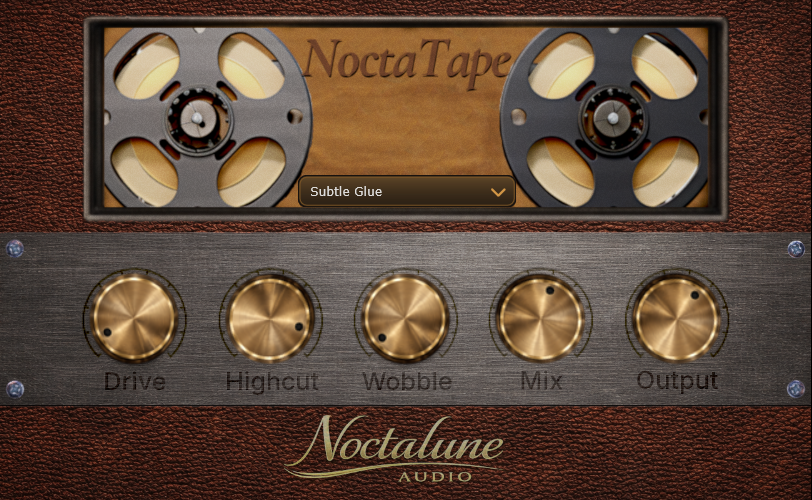
**Current UI (work in progress):**
Image

---

**Current features:**

* Drive (with basic loudness compensation)
* Highcut
* Wobble (very gentle modulation)
* Mix control

---

Still early, but I already have a working signal chain and I’m starting to fine-tune the behavior.

---

I’d really be interested in your thoughts:

* What do you usually miss in tape-style plugins?
* What makes something feel “alive” instead of just processed?
* Any features you’d consider essential?

---

I’m also putting together a small early access list here if anyone wants to follow along:
https://noctaluneaudio.com

I’ll be sharing demos and probably a beta at some point.

---

Appreciate any feedback 🙌
Sven

Post

some thoughts from someone who's spent a lot of time in this territory:

what makes tape feel alive isn't the wobble, it's the nonlinearity changing with level. if your saturation curve is the same whether the signal is at -20 dBFS or -6 dBFS, it'll always read as an effect. real tape compresses high-frequency content more aggressively at higher input levels, so the tonal balance shifts with the signal. modelling that movement is what separates "sounds like tape" from "sounds like a tape plugin."

the thing that's usually missing: input level determining saturation character, not just amount. push the input harder and you get different tone, not just more drive. a single mix or drive knob conflates two things that are separate in hardware.

on the wobble: make sure it modulates pitch, not just amplitude. amplitude-only modulation reads more like a tremolo. the thing that makes tape flutter feel organic is the pitch drift. even at very small amounts.

your mix control is the right call. subtle tape saturation works best around 15-20%, where the harmonics are underneath the original signal rather than on top of it. that's where it starts feeling like character rather than processing.

Post

You can take a look at Ferric TDS to get some inspiration on how to get ssubtle tape saturation in the box right. The developer (Bootsy / Variety Of Sound) has also written a few articles about the evolution of his analog modelling approaches and what he likes to call "stateful saturation".

Post

Hey everyone,

quick update — and thanks a lot for the detailed feedback, really appreciate it.

I’ve been digging into some of the points mentioned, especially the idea of level-dependent behaviour.
Right now I’m moving away from a more static saturation curve towards something that actually changes character with input level — particularly in the high end.

The goal is that it doesn’t just “add drive”, but shifts the tone depending on how hard you hit it, so it feels less like an effect and more like part of the signal.

On the wobble: it’s already pitch-based, but I’m keeping it very subtle so it doesn’t drift into obvious modulation.

Also totally agree on the mix — it really starts to feel right when it sits underneath the signal instead of on top.

I rendered two quick examples so you can hear where it’s currently at:

— Clean
— With the plugin

Clean Vocals
Clean Vocals Broken Portastudio

Would love to hear what you think about this direction.

I’m in the final stretch now and planning to release it soon — will probably do a small early supporter discount when it’s ready.

Thanks again for the insights, this kind of feedback really helps pushing things in the right direction.

Cheers,
Sven

Post

Hey everyone,

quick update — things are coming together and I’ve locked in a release date:

May 1st, 2026

Over the last days I’ve been focusing mainly on refining the behaviour of the saturation, especially how it reacts to input level.
The goal is that it doesn’t just add more drive, but actually shifts character depending on how hard the signal is pushed — keeping it subtle and closer to what you’d expect from tape rather than a static effect.

I’ve also been dialing in the balance between stability and movement, making sure it adds a bit of life without drifting into obvious modulation.

At this point it’s mostly polishing and small adjustments to make sure it holds up across different material.

Really appreciate all the feedback so far — it definitely helped pushing things in the right direction.

More soon.

Cheers,
Sven

check out the project: https://noctaluneaudio.com

Post

NoctaluneAudio wrote: Sun Apr 12, 2026 10:09 pm Hey everyone,

quick update — and thanks a lot for the detailed feedback, really appreciate it.

I’ve been digging into some of the points mentioned, especially the idea of level-dependent behaviour.
Right now I’m moving away from a more static saturation curve towards something that actually changes character with input level — particularly in the high end.

The goal is that it doesn’t just “add drive”, but shifts the tone depending on how hard you hit it, so it feels less like an effect and more like part of the signal.

On the wobble: it’s already pitch-based, but I’m keeping it very subtle so it doesn’t drift into obvious modulation.

Also totally agree on the mix — it really starts to feel right when it sits underneath the signal instead of on top.

I rendered two quick examples so you can hear where it’s currently at:

— Clean
— With the plugin

Clean Vocals
Clean Vocals Broken Portastudio

Would love to hear what you think about this direction.

I’m in the final stretch now and planning to release it soon — will probably do a small early supporter discount when it’s ready.

Thanks again for the insights, this kind of feedback really helps pushing things in the right direction.

Cheers,
Sven
I have a fair amount of experience and interest in the "broken tape" sound, and I agree that subtlety is the key. The example you gave above is maybe almost too subtle.

One bit of advice I'd give: Make sure the noise doesn't stay flat/static, but modulates (perhaps very subtly) in volume and character. That's my impression, at least.
A well-behaved signature.

Post

Hi everyone,

first of all thanks a lot for all the feedback over the past weeks. It really helped me push this to the finish line.

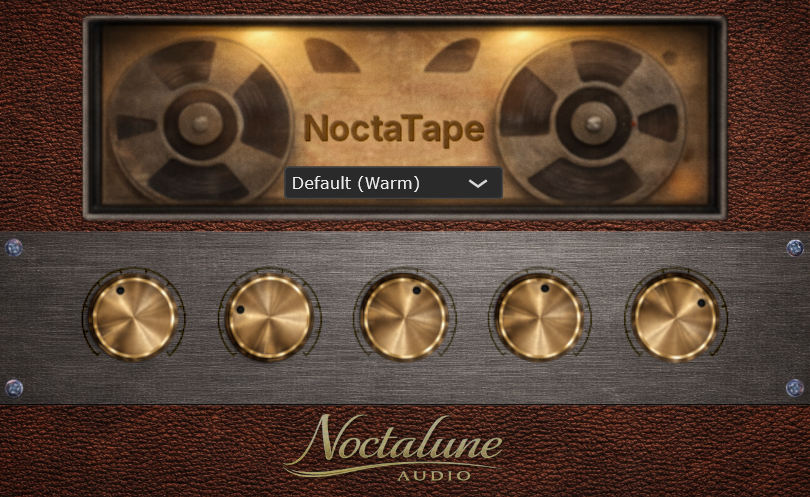
Image

After quite a long journey NoctaTape is now officially released.

This is my first plugin under Noctalune Audio and from the beginning I did not want to build a perfectly clean tape emulation. The goal was more of a character tool that adds movement and a slightly imperfect feel.

NoctaTape focuses on tape style saturation with an emphasis on warmth, tone shaping and modulation.

What it does:

musical saturation
highcut for tape style top end shaping
wobble from subtle movement to more obvious modulation
dry wet mix with its own behavior

One thing that became important during development is how these parameters interact with each other. It is not just static processing but more something you can “play” a bit.

There is a launch discount of 50 percent with the code

NTRELEASE

You can check out some audio examples here
https://noctaluneaudio.com/

And the shop is here
https://noctaluneaudio.lemonsqueezy.com/

I would really appreciate any feedback, especially from you guys here.

Thanks
Sven
Noctalune Audio

Post

Quick update:

NoctaTape just got featured on Rekkerd today, which honestly feels pretty surreal for a first release.

Really appreciate them picking it up.

https://rekkerd.org/noctalune-audio-rel ... ct-plugin/

Post

Quick update:

I’ve also set up social media for Noctalune Audio if anyone wants to follow along:

YouTube: youtube.com/@Noctalune-Audio
Instagram: https://www.instagram.com/noctaluneaudio
TikTok: https://www.tiktok.com/@noctalune.audio

I’ll be posting some short demos and examples there.

Also, the intro deal is still running (50% off with NTRELEASE until May 9), in case anyone was waiting.

Thanks again for all the feedback so far!

Post

I like the direction of making Drive more “behavioral” instead of just “amount”. That could instantly push NoctaTape away from the typical static tape FX feel.
On wobble, I agree 100% pitch-based drift with slight randomness feels way more natural than any LFO tremolo style movement. I’ve noticed even very subtle pitch instability does most of the “alive” work.
Curious how you’d approach tying saturation curve changes to input level in a simple but CPU-light way x more like multi-stage curves or some kind of dynamic bias shift?

Post

Hey Kaijeaxn,

that’s actually pretty much the direction I ended up taking in the current implementation.

It’s not a static “more input = same curve, just harder” kind of thing. Instead, the signal is lightly conditioned first, and then a fast per-channel envelope follower drives parts of the saturation behavior.

So louder material doesn’t just hit the same curve harder — it subtly changes how the curve behaves.

The saturation itself is split into two gentle stages. The second stage is fed dynamically, and there’s a level-dependent blend between the two. That means peaks naturally push the signal a bit deeper into a denser, more compressed region instead of just increasing distortion uniformly.

On top of that, the Drive control isn’t just gain. It also influences a few internal characteristics at once — things like a small asymmetry term, some pre-emphasis before the saturation, and a bit of post-smoothing to keep the top end from turning into harsh clipping.

The shaping function itself isn’t a pure tanh either — it’s a soft blend between different curves with a slight bias shift, which allows for a bit of even harmonic content without going fully into “tube/fuzz” territory.

So overall it’s closer to a lightweight behavioral model:
two soft stages, envelope-dependent drive and blending, and a subtle dynamic bias-style asymmetry — rather than a single fixed transfer curve.

Greetings,
Sven
Noctalune Audio

Post

Hi everyone,

I’m currently working on NoctaTape version 1.1.0 and wanted to share a small update.

The next version will introduce a new “Blend Direction” button.

This changes the way Mix and Wobble interact with each other. Depending on the setting, the wobble can be blended into the signal in a different direction, which makes the behavior easier to understand and gives you more control over the final movement.

The idea is to make the wobble section more flexible without making the plugin more complicated.

With the new Blend Direction option, you can shape the wobble in different ways:

- subtle tape-like movement
- more obvious lo-fi modulation
- smoother interaction between Mix and Wobble
- more control over how the modulation enters the signal

This should make NoctaTape feel more intuitive, especially when dialing in movement at different Mix settings.

Version 1.1.0 is planned for release next week.

As always, feedback is very welcome once the update is out.

Best,
Sven / Noctalune Audio

Post

Hi everyone,

quick update:

NoctaTape 1.1.0 is now available.

This update adds a new Blend Direction button, which changes the way Mix and Wobble interact.

The idea is to make the wobble behavior more flexible and easier to shape — from subtle tape movement to more obvious lo-fi modulation, depending on the setting.

For anyone who wants to try NoctaTape, there is also a 25% discount until the end of the week with the code:

BLEND25

https://noctaluneaudio.com

Feedback on the new version is very welcome.

Best,
Sven / Noctalune Audio

Post

Hi everyone,

small NoctaTape development update.

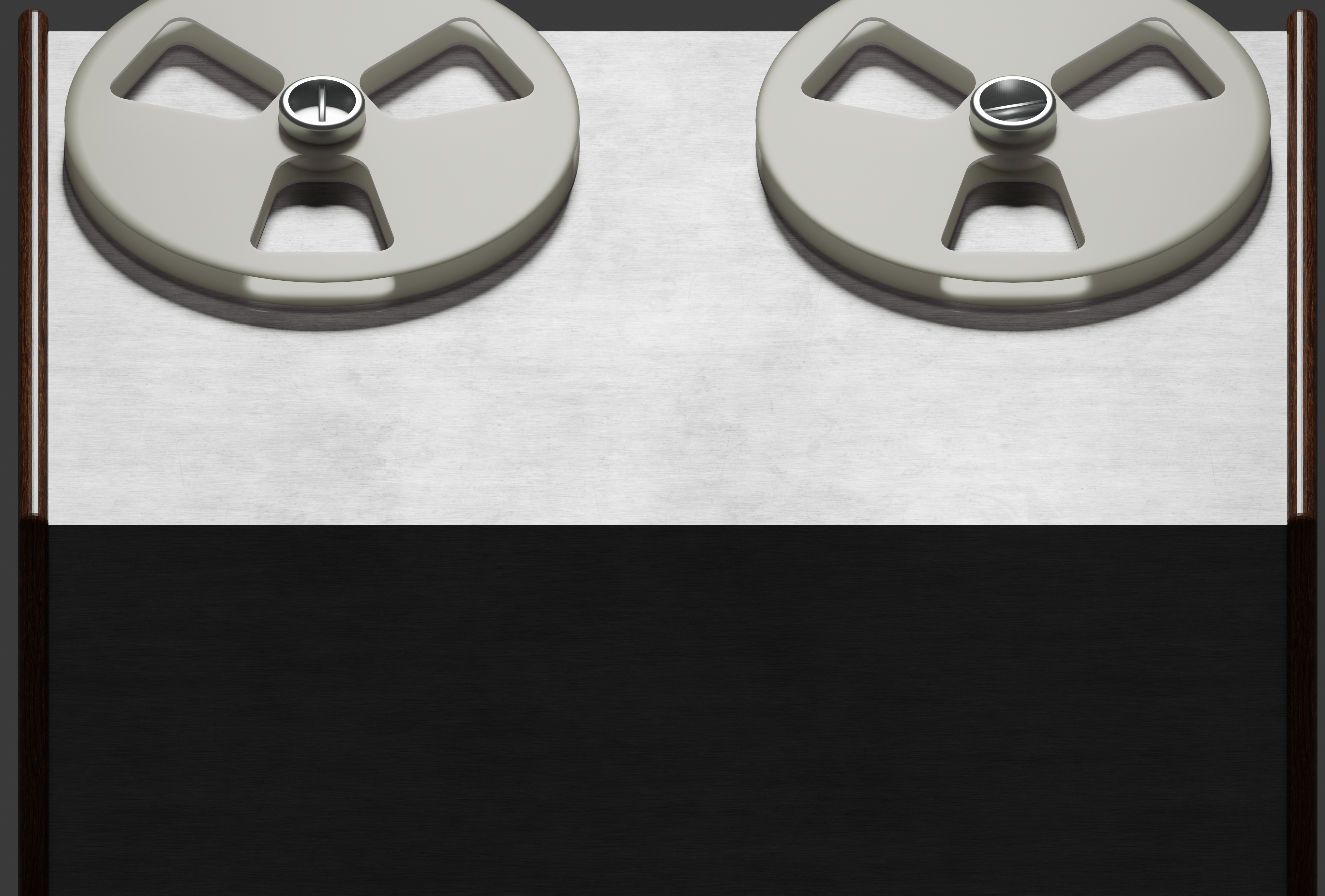
After the 1.1.0 update I’ve started working on a bigger visual refresh of the GUI.

The goal is not to change the basic NoctaTape concept or workflow, but to make the interface feel more physical and more like a piece of tape-inspired hardware inside the DAW.

I’m currently rebuilding parts of the GUI in 3D, especially the tape reel section.

Here is a sneak peek of the current development state:

Image

Current focus:

- more realistic tape reels
- better depth and shadows
- brushed metal surface detail
- more physical lighting and reflections
- cleaner overall balance
- a more polished hardware-inspired look

This is still work in progress, so nothing is final yet.
I’m mainly trying to improve the visual feel while keeping the plugin simple and focused.

Sound and workflow stay the core of NoctaTape — this update is mostly about making the interface catch up with the character of the plugin.

Feedback is always welcome.

Best,
Sven / Noctalune Audio

Post Reply

Return to “Effects”